Tanveer was among the earliest engineers to join Limendo’s India team, one of the first few developers who helped define how the engineering culture would take shape. He had already seen large-scale tech environments, but this felt different. Limendo was hands-on, high-responsibility, and deeply collaborative.
Here, work was not siloed. Engineers were involved end-to-end - designing features, making decisions, talking to clients, handling deployments, and owning the outcome. In a small, fast-moving team, nothing was ever someone else’s job. If a feature needed to be built, Tanveer built it. If a process needed to be redesigned, he shaped it. The ownership was intense but meaningful.
It gave him what he always wanted as an engineer - the chance to build something that real people would rely on every single day.
Designing an Experience, Not Just a Feature
One of Tanveer’s most significant contributions at Limendo emerged from understanding the pain of real-world usage. A fast-paced ordering workflow used in hospitality environments had become cumbersome. Users were performing too many steps to do simple tasks. The flow was slowing them down.
Tanveer took this challenge personally.
He wanted to build something intuitive, something that reduced friction instead of adding to it. What he created was a visual layout system that mirrored the way a restaurant floor actually looked from above. Users could drag and drop tables, see seating details, track occupancy, and tap directly into the order screen. No long lists. No confusing navigation.
Just one clean, intelligent view that made sense in the chaos of a busy workday.
This entire module was built from scratch.
No predefined packages.
No shortcuts.
Just focused on engineering and the belief that a better experience was possible.
When the system was deployed, the difference was immediate. Users no longer had to think twice. Every action became faster, easier, and clearer.
Navigating Challenges, Conflicts, and Tough Decisions
Engineering is never just about writing code. It is also about navigating competing needs, constraints, and realities.
One of the biggest debates Tanveer was part of centered around offline functionality. The client needed the system to work seamlessly even when the internet was down. Orders had to be stored safely and synced later. But enabling this across the entire system meant rebuilding large parts of the architecture.
The team debated. Developers weighed in. Managers had to evaluate feasibility. It was a classic engineering conflict: ambition versus practicality.
Tanveer approached it with clarity. He outlined technical limitations, risks, and long-term implications of a system-wide offline design. In the end, the team arrived at a pragmatic solution - implement offline support only in the high-priority workflows where it truly mattered.
It was a turning point for him. He learned that good engineering is not just about solving everything. It is about solving the right things, the right way.
How Limendo’s Culture Unlocked His Best Work
If you ask Tanveer what he values most from his years at Limendo, he would talk about the culture long before he mentions the code.
He had the freedom to explore new approaches.
The space to propose ideas.
The trust to take ownership.
And constant encouragement to think beyond the immediate task.
One lesson that fundamentally reshaped his perspective was this: understand the product before you decide how to solve the problem.
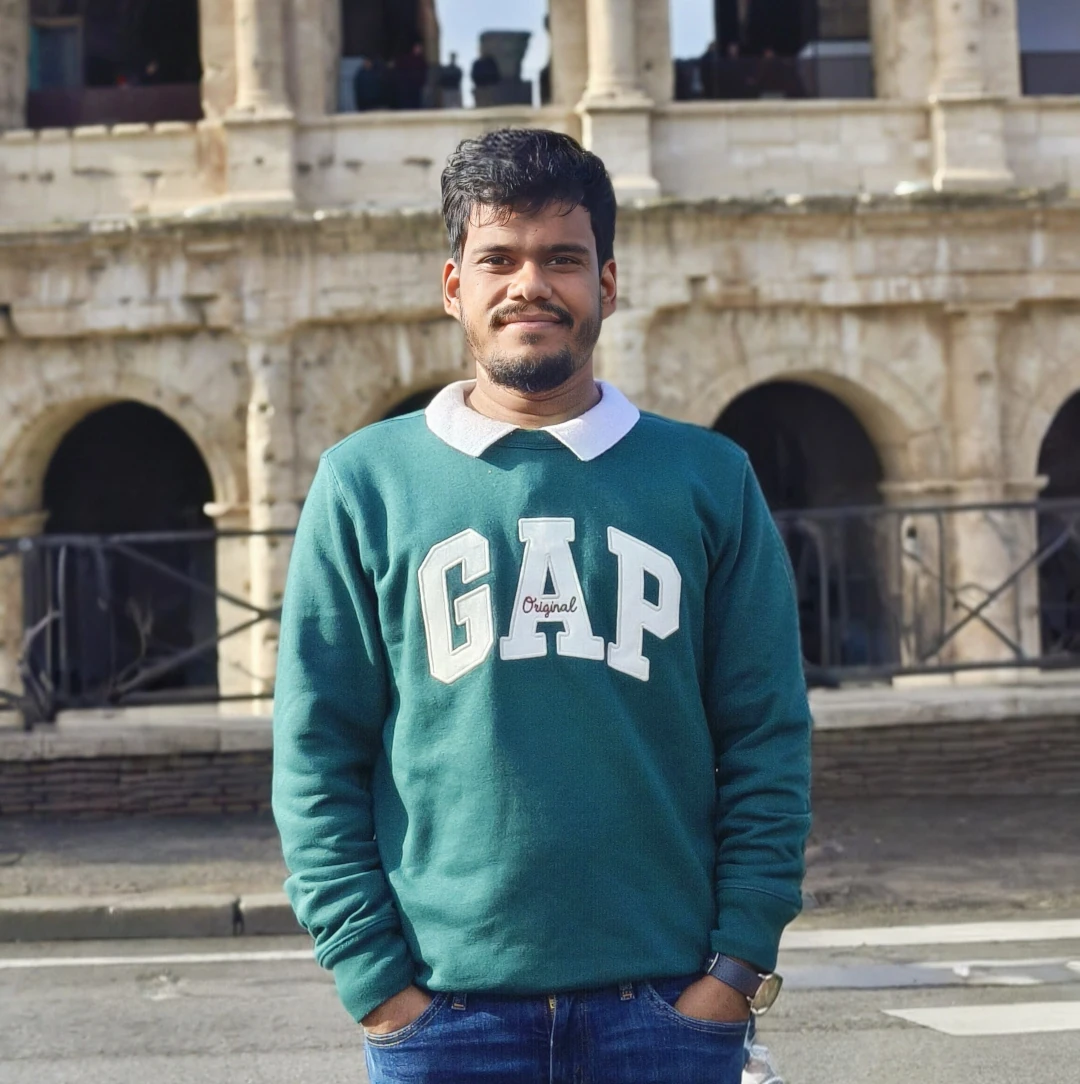
When Tanveer finally saw how the system operated in real environments, especially during his visit to Italy, his approach shifted. He realized that scalability, performance, and user experience come from context, not just technical skill.
Limendo also encouraged personal growth - exploring new places, building side interests, and maintaining a life outside work. The yearly team trips, the flexibility of working from anywhere, and the sense of belonging shaped him as a person as much as an engineer.
What He Takes With Him
Tanveer is now moving on from Limendo, but his work will continue to serve users every day. His contributions live inside features, flows, and design decisions that simplify how people work.
Professionally, he leaves with sharper product thinking, a clearer sense of engineering priorities, and an understanding of how software makes an impact only when it is built with empathy for real users.
Personally, he leaves with new habits, new interests, and gratitude for an environment that never boxed him in.
His journey is a reminder that innovation does not need to be loud. Sometimes it is built quietly, module by module, by someone who cares deeply about the craft.
Tanveer cared. And that will always remain part of Limendo’s story.

%20(1).jpg)
.jpg)
.jpg)


.png)

